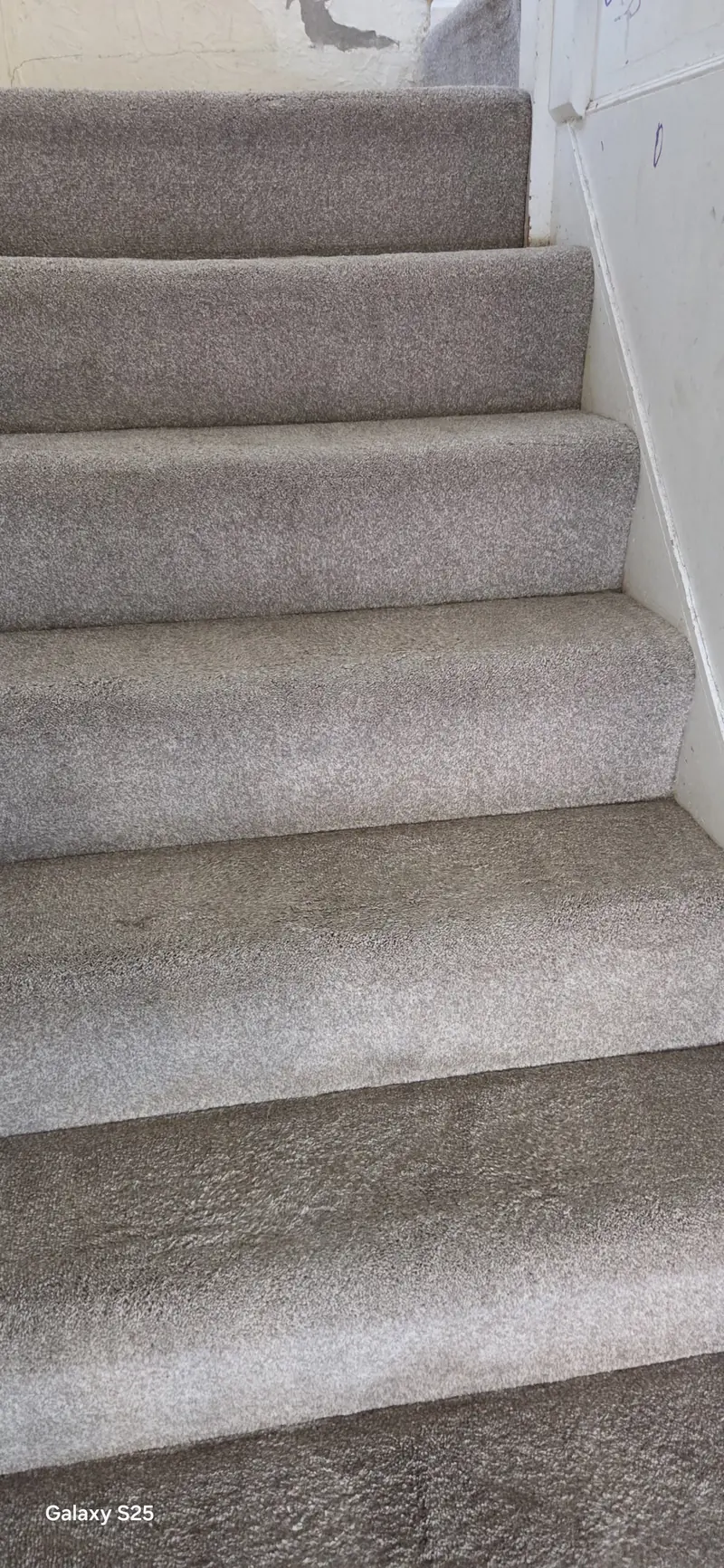
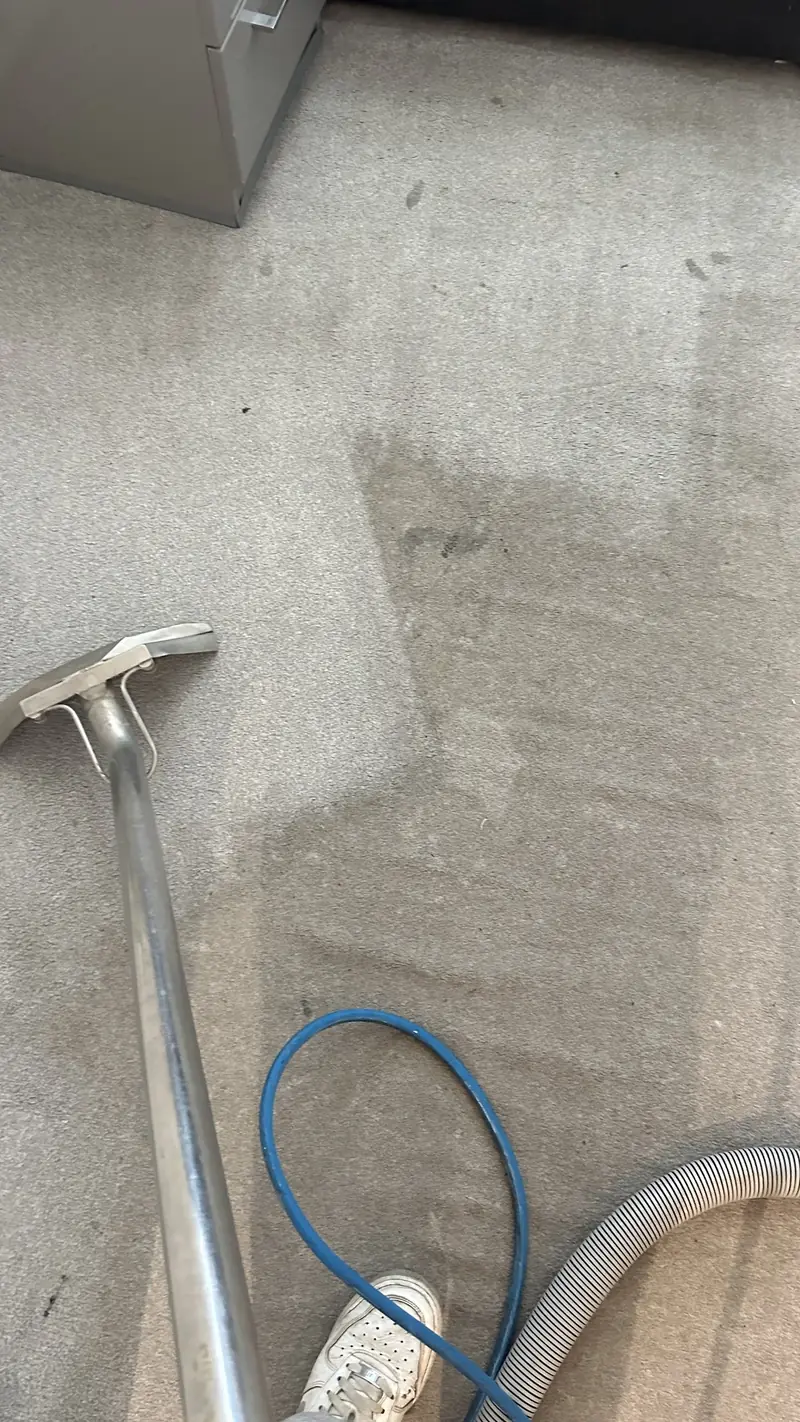
Most stains come out, some depend on what has already been done to them, and a few are not stains but damage to the fibre, which no method reverses. This guide sets out which is which.
Stains that almost always lift
- Tea, coffee and soft drinks on synthetic carpet respond well to a tannin spotter followed by extraction.
- Mud and general soiling, including the grey traffic lane down a hallway, is what hot water extraction was designed for.
- Food and grease such as curry, chocolate and cooking splashes come out with the right solvent-based pre-treatment.
- Make-up, ink and candle wax need specific spotters, and wax needs heat, but they are routine for a trained operator.
- Fresh pet accidents lift well when the treatment reaches the underlay, which is where the smell lives.
Stains that depend on history
The difference between a mark that lifts and one that does not is often what happened in the first ten minutes. Blotting with a clean white cloth and cold water helps almost everything. Rubbing spreads the stain and pushes it into the fibre. Supermarket carpet sprays often set a stain by reacting with it, and some contain optical brighteners that leave a pale patch that looks worse than the original mark.
Red wine is the classic example. Fresh and blotted, it usually comes out. Rubbed, sprayed with the wrong product and left for a month, the dye has bonded with the fibre and the most that can be achieved is a fainter mark rather than a clean carpet.
Old pet urine is similar. The visible stain may lift but if it has soaked into the backing and underlay repeatedly, the smell needs a dedicated odour treatment and, in some cases, the underlay replacing.
Marks that are not stains
Some things look like stains but are physical or chemical damage to the fibre, and no cleaning method removes them:
- Bleach spots, including from acne creams, toilet cleaner splashes and some hair products. The colour has been stripped from the fibre.
- Sun fading near patio doors and windows.
- Burns and melted fibre from irons, hair straighteners and cigarettes.
- Furniture dents, which are crushed pile rather than dirt. These often lift with steam and a stiff brush but not always fully.
- Filtration soiling, the dark lines along skirting boards and under doors, which is airborne soot pulled through the carpet by air currents. It can be improved, rarely removed completely.
What you are told on the day
The operator looks at the mark, asks what caused it and what has been tried, and says before the machine is switched on whether it will lift, improve or stay. Most marks lift, some improve, a few are permanent.